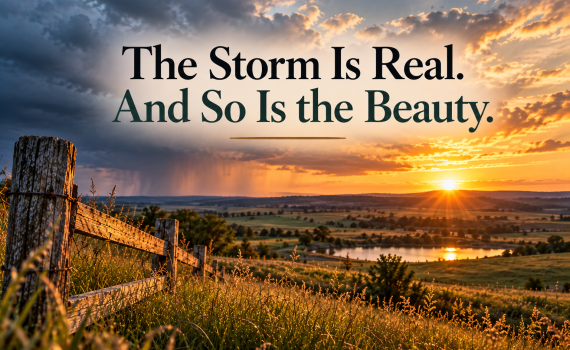
Rural life has a way of putting hardship and beauty side by side. The work can be heavy, the uncertainty real, and the seasons unforgiving—but there is still goodness worth noticing. Real resilience means learning to hold both truths at once: the storm is real, and so is the beauty.
Uncategorized
18 posts

Learn why our brains fall into the same unhealthy habits and how the tractor rut analogy explains resilience, adaptability, and lasting change.
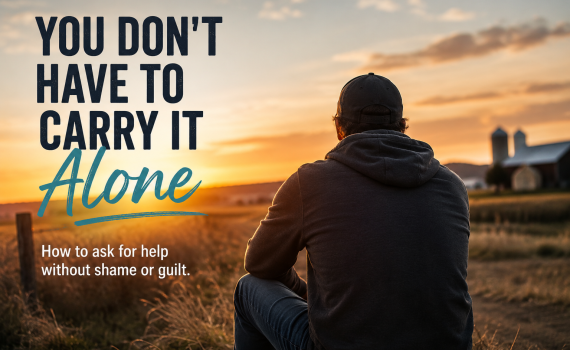
Asking for help can feel incredibly difficult, especially when shame, guilt, or the belief that we should handle everything ourselves gets in the way. In rural communities, many people carry enormous burdens in silence, convinced they must push through alone. This article explores why asking for help feels so hard, what stress does to the brain, and how reaching out for support may be one of the strongest decisions a person can make. You do not have to carry it alone.
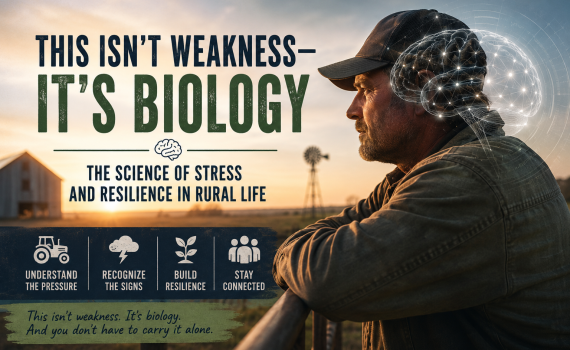
Stress, anxiety, overwhelm, and exhaustion are not signs of weakness. In rural life, many people are carrying enormous pressure for long periods of time — and the brain responds biologically to chronic stress. Learn the science behind stress, survival mode, and resilience, and why understanding the nervous system can help reduce stigma and build stronger rural communities.
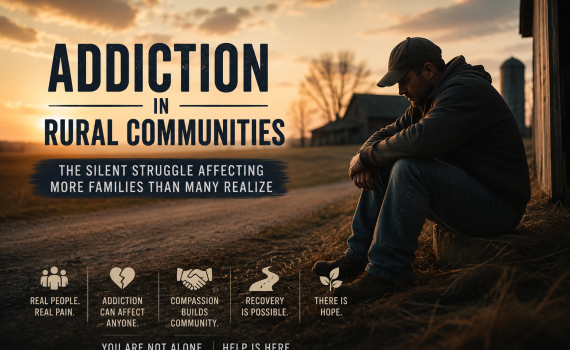
Addiction in rural communities is affecting more families than many people realize. This article explores the growing impact of substance addiction in rural America, why stigma and isolation make recovery harder, and what rural communities can do to support healing and resilience.
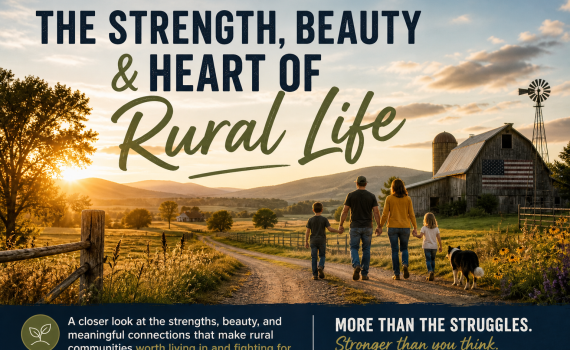
Rural mental health conversations often focus on challenges—but what about the strengths and beauty of rural life? This article explores why people choose rural living, the powerful sense of community it creates, and how these strengths can support mental health and resilience.
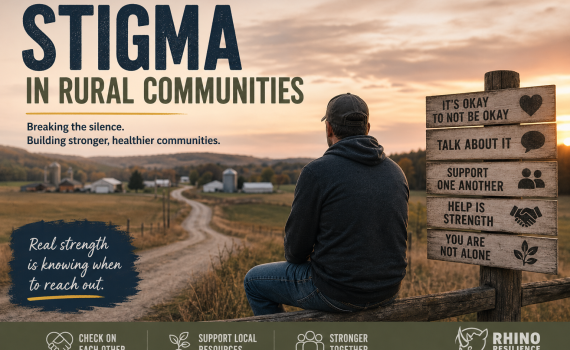
Stigma remains one of the biggest hidden barriers in rural communities. Many people are taught to stay strong, stay quiet, and handle struggles alone—but silence often comes at a cost. In this article, we explore why stigma runs deep in rural life, how it impacts mental health, and practical ways communities can replace judgment with support, connection, and true resilience.
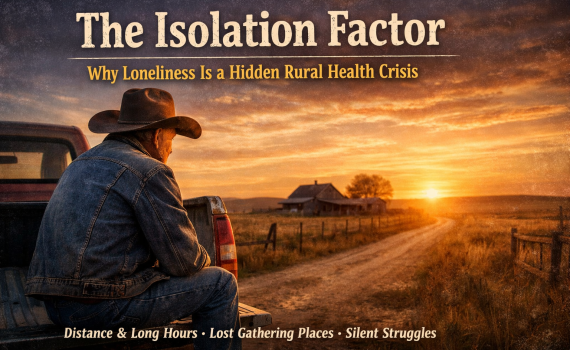
Loneliness in rural communities is often hidden—but it’s impacting mental and physical health more than we realize. Learn why isolation happens and simple, practical steps to reconnect and rebuild community.
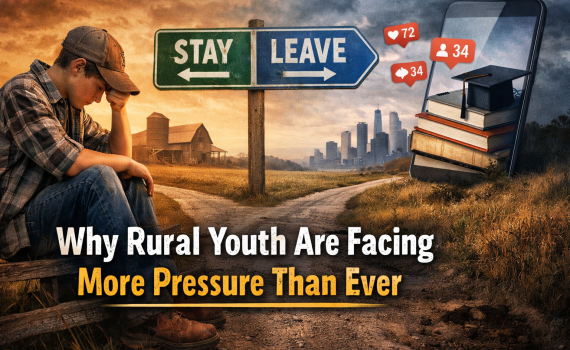
Rural youth are facing more pressure than ever—from social media comparison and limited opportunities to the difficult choice of whether to stay or leave their communities. In this post, we break down what today’s rural kids are really carrying and offer practical ways parents and educators can support their mental health, build resilience, and create space for honest conversations.
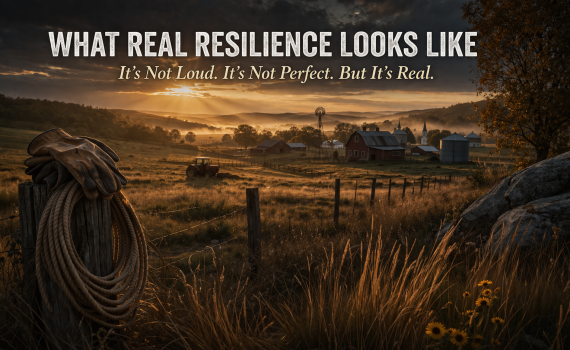
Resilience in rural communities isn’t loud or perfect. Learn what real resilience looks like—and how it shows up in everyday life.